
Life at AHSU is shaped by a strong sense of purpose, professional discipline, and community. Students and residents learn in an environment that values academic excellence, ethical conduct, respect, inclusion, and service. The University aims to provide not only rigorous health professions training, but also a supportive setting where learners can grow personally and professionally.


Housing & Campus Life
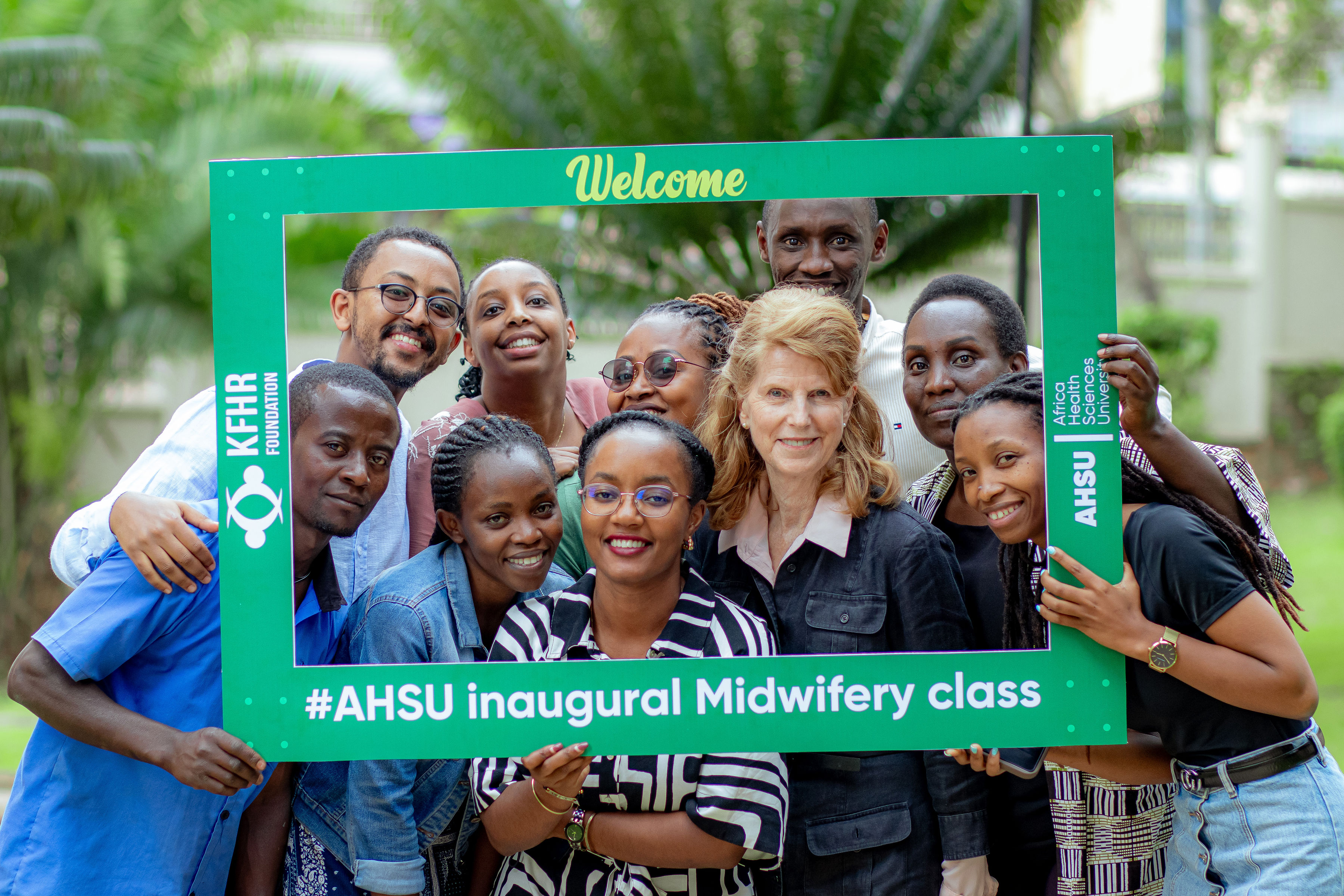
Campus life at AHSU is designed to support learning, wellbeing, and a smooth transition into university and clinical training. For undergraduate students, accommodation is provided at the AHSU campus at KEA in shared hostel apartments that offer both comfort and a sense of community.
Students share rooms in pairs, while 6 to 7 students share a kitchen and living area. The apartments are equipped with essential kitchen items, a washing machine, and the basic facilities needed for daily living. Weekly hostel cleaning is also provided through a hired service, allowing students to settle in easily and focus on their studies. In most cases, students only need to bring their clothes and bedsheets.
For residents, accommodation is arranged in line with their clinical rotation sites. Because residents are based in the cities where they train, AHSU supports them in identifying suitable housing near their teaching hospitals and training locations. While the University does not provide or pay for accommodation directly, residents receive a monthly allowance to help meet their living costs during training. This helps ensure that they are well placed to begin and continue their clinical responsibilities effectively.
During the induction period, international residents are accommodated at KEA. This is especially important for many who are arriving in Rwanda for the first time. The arrangement gives them a comfortable place to settle, become familiar with the university environment, and prepare for the start of their clinical training.
Clubs & Societies
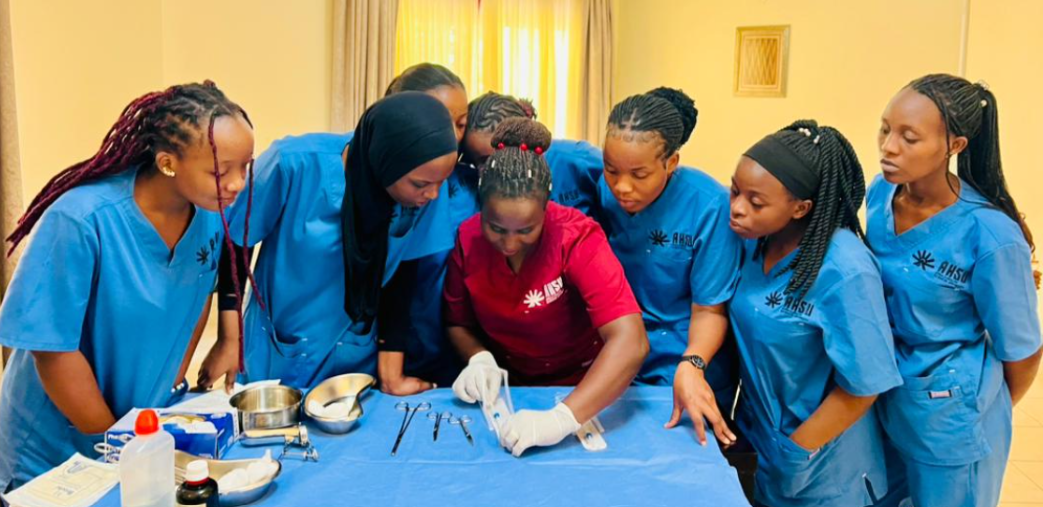
AHSU encourages student-led initiatives that strengthen leadership, teamwork, service, and practical learning. One example is Healing Hands Rwanda, an initiative led by Midwifery students that creates opportunities for students to apply and strengthen their clinical skills while serving communities. Through this initiative, students take part in outreach activities such as screening for non-communicable diseases, pregnancy screening, and other community health services. These experiences help connect classroom learning with real service and reinforce AHSU’s commitment to socially responsive training.

Career support
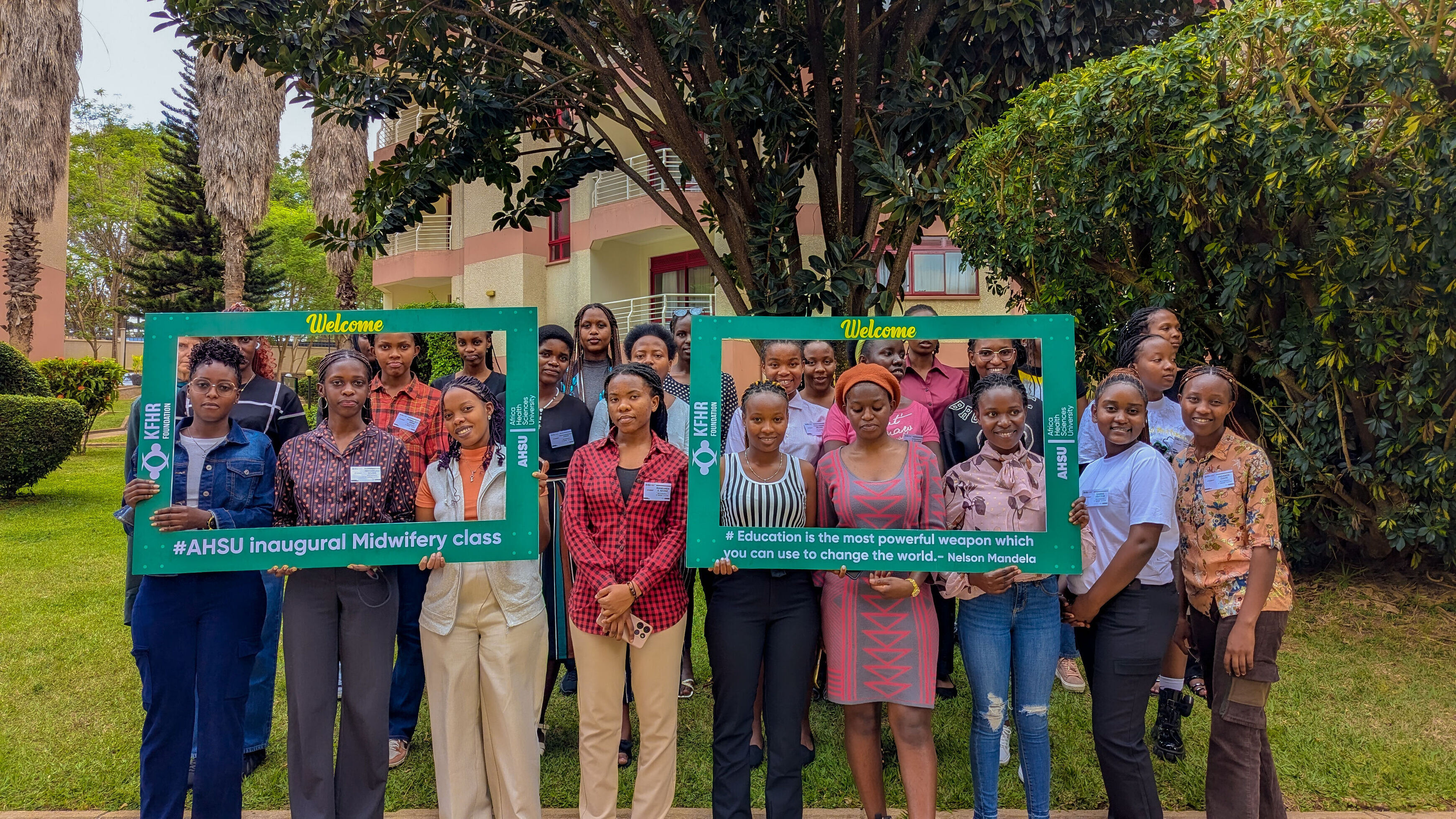
AHSU places strong emphasis on mentorship and career development. The University’s mentorship framework supports residents in clinical growth, teaching and supervision, research and scholarship, ethics and professionalism, and informed planning for fellowship and subspecialty pathways. Career guidance is designed to balance individual aspirations with health-system needs, while helping learners build strong academic and professional foundations.
Libraries
The AHSU library supports teaching, learning, and research by providing access to academic materials and study resources that serve both undergraduate and postgraduate programmes. As the University grows, it continues to strengthen its library services and learning infrastructure in order to support high-quality education.
AHSU also offers access to an e-library, giving students and residents the opportunity to consult a wide range of digital resources. Through the e-logbook platform, learners can access books. They also have access to online platforms such as UpToDate, HINARI, and other academic e-resources that support classroom learning, clinical practice, and research.


Tech Tools
To further support learning, all admitted AHSU students and residents are provided with a laptop to help them engage fully with their studies, online resources, academic platforms, and day-to-day training activities.
AHSU uses a range of digital tools to support teaching, learning, communication, and academic coordination. These include student learning platforms such as Populi, institutional email systems, e-logbooks, REDCap for 360-degree feedback, Turnitin, and other digital platforms that support academic work and programme delivery.
Within residency training, e-logbooks are an important part of the University’s competency-based model, helping to document clinical exposure, monitor performance, and support progression over time. Together, these tools contribute to a more connected, practical, and responsive learning environment.
Alumni
AHSU is a young institution, having started in September 2024. The University’s first cohort is currently in Year 2, and the first graduation is planned for 2028. As AHSU grows, it looks forward to building a strong alumni community that will remain connected to the University and contribute to healthcare, education, research, and leadership in Rwanda and beyond.

Research & Innovation
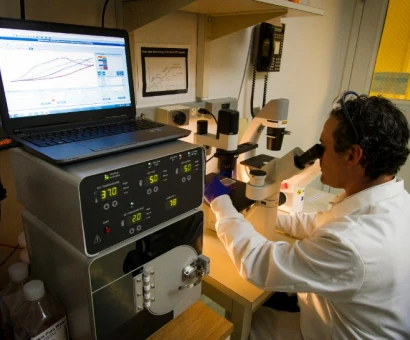
Research at AHSU is an important part of academic life and professional training. The University is committed to evidence generation, scholarly inquiry, and research that responds to health system needs and community priorities.
AHSU has a Director of Research, a Research Officer, a Research and Publications Committee, and an Institutional Review Board (IRB) to support research governance, ethics review, and scholarly development.
Student Research opportunities
AHSU encourages both students and residents to take part in research as an important part of their academic and professional development. They are supported in proposal development, scholarly writing, supervised inquiry, and presentation of their work.
Research is integrated throughout training and supported within the University’s broader mentorship framework. This includes guidance in research supervision, ethics submissions, manuscript preparation, and planning for publication.
For our students and residents, research is a core part of their training. They receive academic guidance from faculty and research supervisors, benefit from research funding, and are expected to complete a thesis during training. They are required to defend their thesis by Year 3 and prepare their work for publication as part of their scholarly and professional growth.